7 Relaxation Rituals for a Calmer Home After a Stressful Commute
The commute ends when you close the front door. The day rarely does. Your shoulders are still braced for the platform announcement, your mind is still redrafting the email you should have sent, and the flat feels less like a refuge than another room with jobs in it. That gap — between arriving and actually being home — is where an evening is won or lost. Closing it doesn't take an hour of yoga or a new personality. It takes a small, repeatable sequence that tells your body the travelling is over.
Start with a five-minute landing strip
Give yourself five minutes where nothing is required of you. Keys in the same bowl, coat on the same hook, bag emptied of anything that will smell or spoil. Kettle on. Then sit down with your drink and do nothing at all.
Five minutes feels longer than you expect, and the urge to start tidying or check messages will be strong. Let it pass. You are letting your heart rate and your speech pace settle before you decide anything about the evening. Choices made in the first ten minutes — about dinner, about a phone call, about whether to go out — tend to be worse ones.
If you have children or housemates waiting, this can still work: five minutes of sitting with them, rather than five minutes of problem-solving, counts.
Swap your clothes, and your mood along with them
Commuting clothes hold the day. The collar, the damp coat, the shoes that have been on three different floors since morning. Changing into something you only wear at home is a quick, cheap signal that the shift has happened. Keep a set aside: soft trousers, a worn jumper, thick socks. Not your gym kit, and not the clothes you'd wear to the shops.
If you've cycled through traffic, stood on a packed carriage or walked twenty minutes in the rain, a shower is worth the ten minutes. Warm water, no rush, then the house clothes. It resets the skin and the mood at the same time.
Mark the shift with light and sound
Two of the fastest switches available to you are the ones you already own: a lamp and a speaker.
A decompression playlist
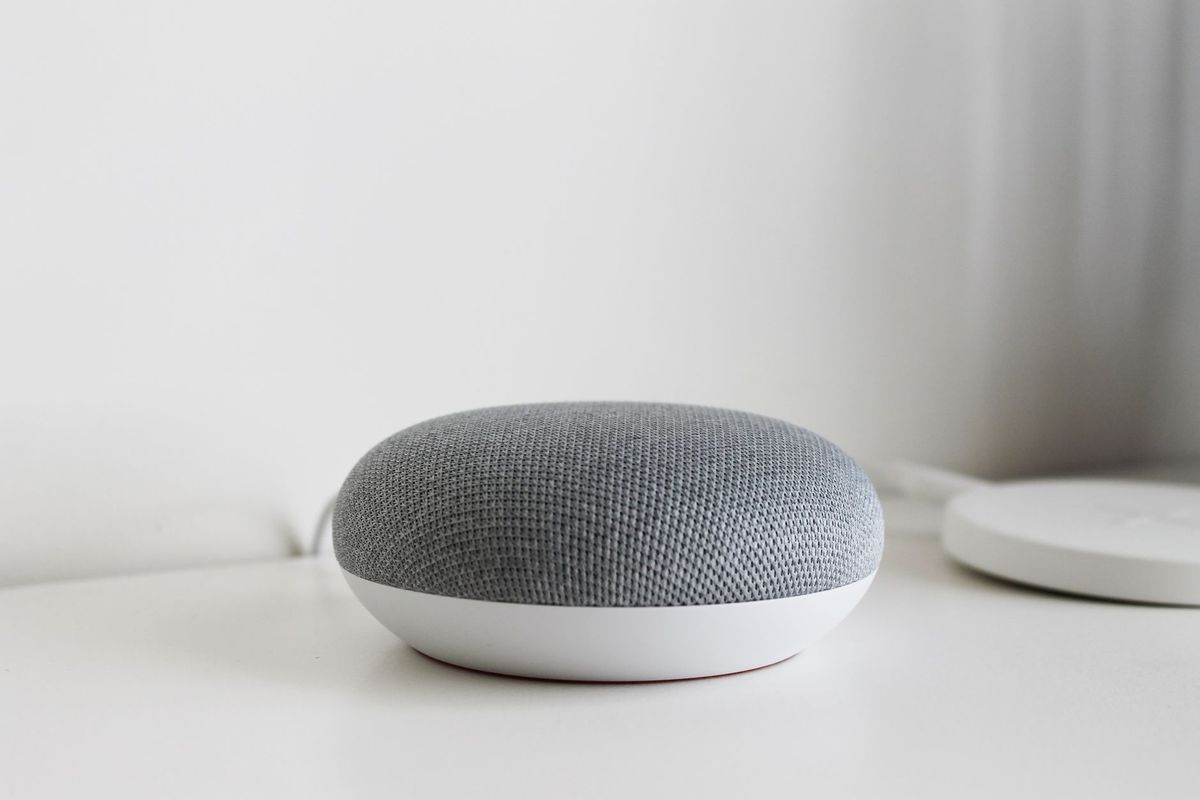
Choose three or four tracks you play at this time and nowhere else — something instrumental or slow enough that you're not tempted to sing over it. The specifics matter less than the repetition. After a fortnight, the first bar does the work for you, the way a particular smell can pull a memory back without effort.
Bring the lights down
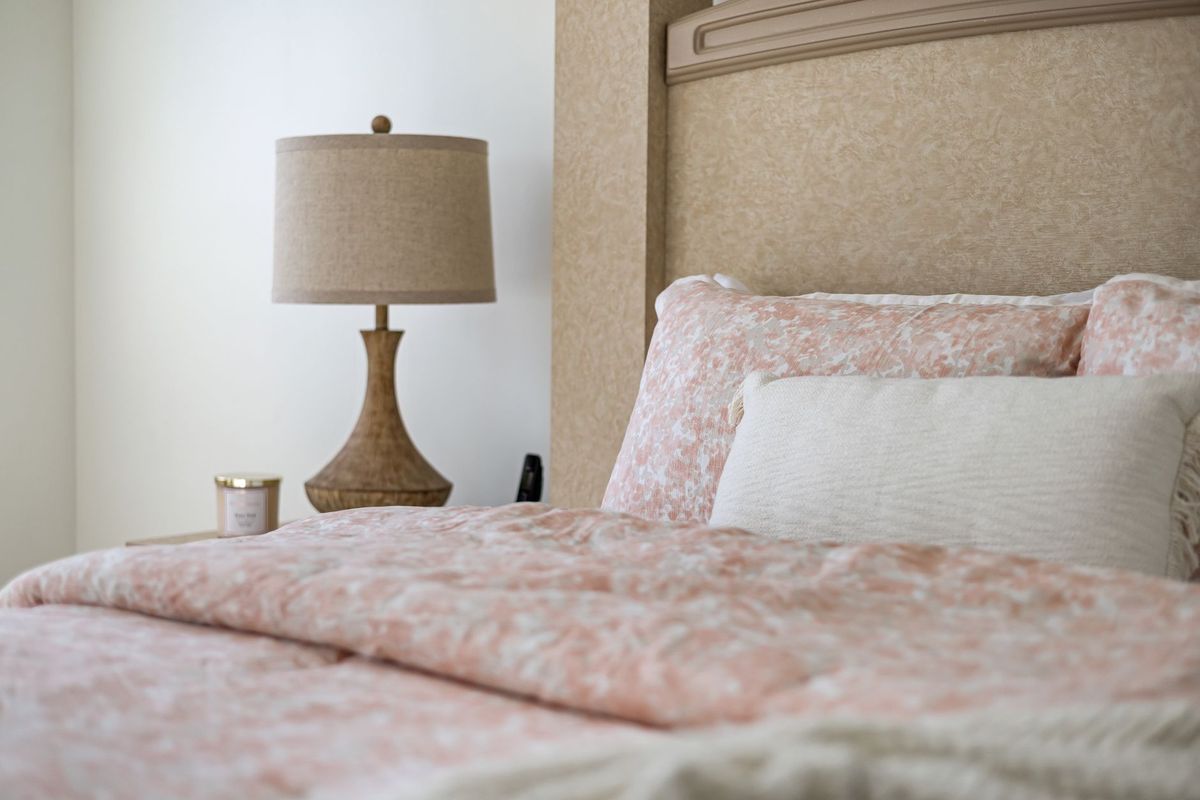
Overhead lights at seven in the evening tell your body it's still the middle of the day. Switch to a side lamp, a floor lamp, or a candle if you like them. Warmer, lower, fewer bulbs. It's a small change that makes a kitchen or living room feel like somewhere you're allowed to stop.
Reset one small thing in the room
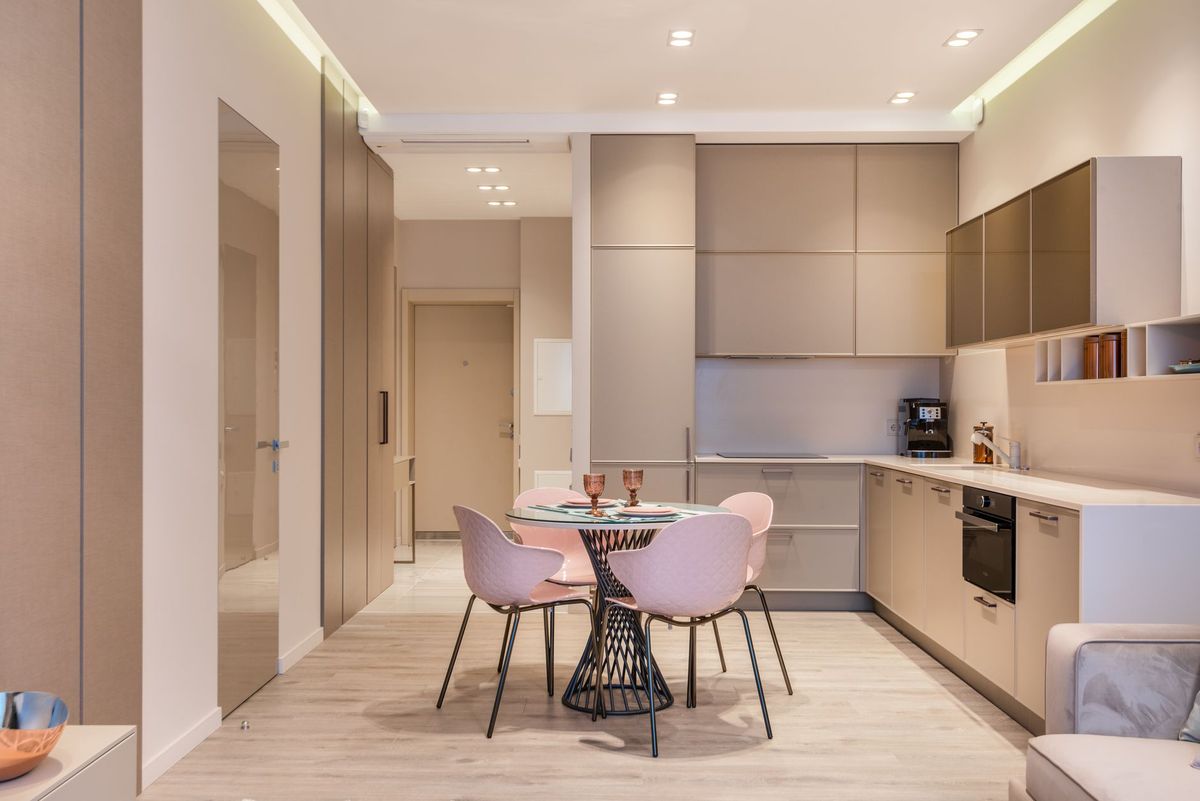
Not a full clean. A full clean is tomorrow's job, or Saturday's. Ten minutes, one surface, one improvement — enough to break the feeling that you've walked into somebody else's mess. Set a timer if you're the sort of person who starts tidying and looks up forty minutes later.
- Clear the surface you'll actually look at: the kitchen table, the coffee table, the worktop beside the kettle.
- Open one window for five minutes, even in winter. Stale air makes a room feel smaller than it is.
- Plump the cushions, fold the throw, put your shoes in the cupboard rather than beside it.
- Deal with one visible pile — post, receipts, the bag you dropped on Tuesday.
Then stop. The point is a room that reads as calm, not a room that would pass an inspection.
Eat and drink slowly
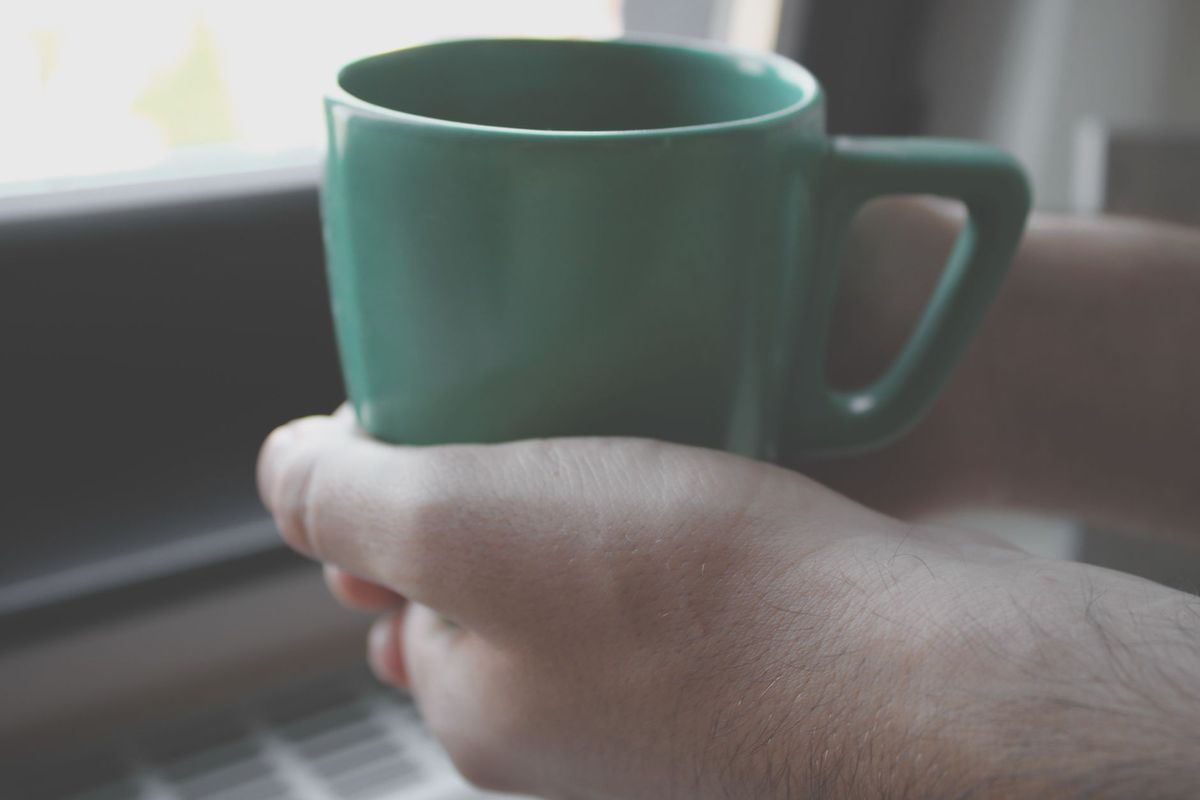
Most commuters arrive either ravenous or completely uninterested in food. Both are easier to handle if the first thing you consume isn't eaten standing up over the sink. Sit down. Use a mug you like.
- Water first. Travel is dehydrating, particularly on trains and buses.
- A herbal tea or decaf if you want the ritual of a hot drink without the late caffeine. If you're sensitive to it, keep caffeine to the morning.
- Something small if dinner is an hour away: toast, soup, fruit and yoghurt, a handful of nuts.
- Alcohol later, if you drink, and with an honest eye on it. A glass can feel like it helps you fall asleep; the second half of the night often tells a different story.
If stress is regularly affecting your sleep, appetite or mood, it's worth talking to your GP rather than trying to solve it with evening rituals alone.
Put the day down on paper, then keep the last hour quiet
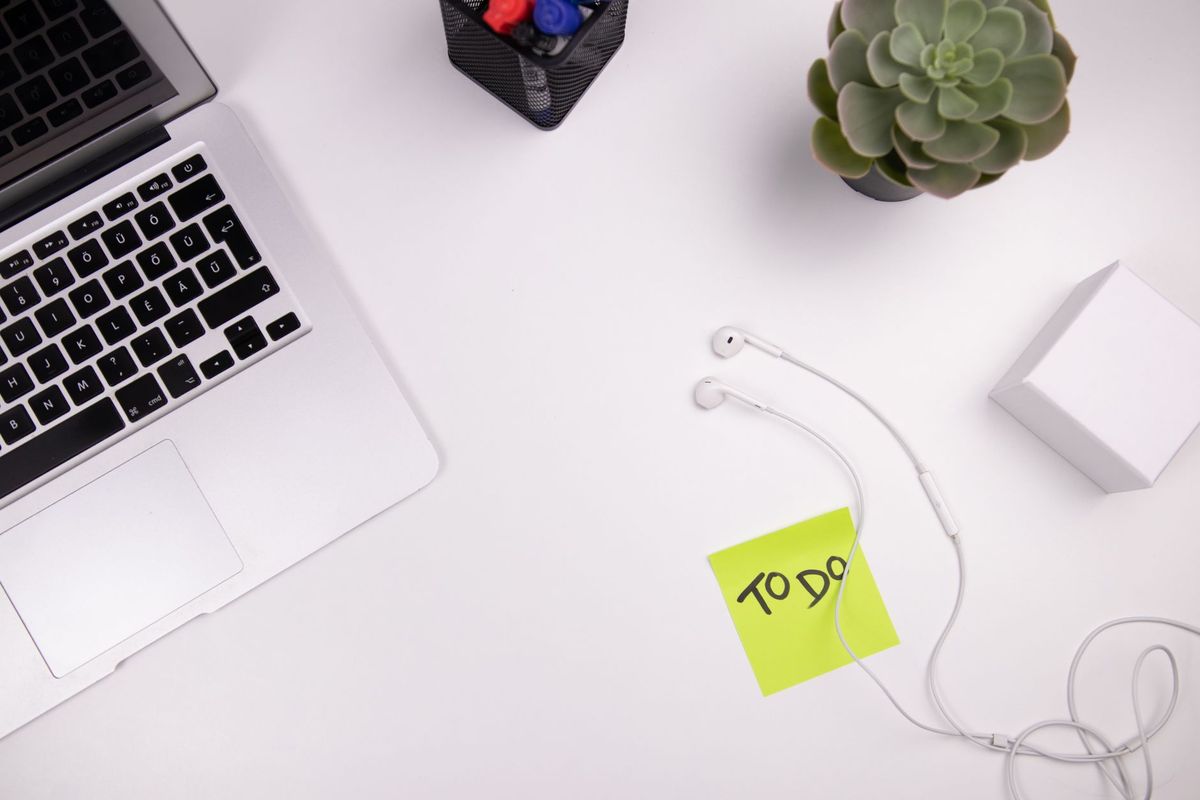
Keep a notebook and pen near where you sit. Before the evening drifts into screens, write three lines: what happened today, what's actually happening tomorrow, and one thing you're not going to think about again until it matters.
This isn't journaling in any elaborate sense. It's a way of closing the loop on the day so your mind stops rehearsing it at eleven o'clock. A short list of tomorrow's tasks does the same job, because the brain tends to release things it trusts are written down.
After that, make the last hour deliberately undemanding. Dim the lights further, put the phone across the room on charge, pick up a book, run a bath, or stretch on the floor for ten minutes. Boring, on purpose, is the aim.
Making the rituals stick
Seven rituals is too many. Choose two or three from this list and give them a fortnight before you judge them.
- Attach each one to something you already do without thinking: kettle on, shoes off, coat on the hook.
- Keep the order the same. The sequence is the point.
- Prepare in advance — fill the kettle in the morning, leave your house clothes on the chair, keep the notebook where you'll sit.
- Set a limit on anything that could expand: five minutes of tidying, ten minutes in the shower, one page of notes.
- Miss a night and simply do it the next one. Rituals survive imperfectly; they don't survive being treated as a test you've failed.
Your commute may stay exactly as crowded, delayed and loud as it was this morning. What changes is where it ends. A lamp, a change of clothes and five minutes of sitting still won't fix a difficult job, but they will stop the day following you around the flat. Start tonight with one of them, and let the rest arrive when they're needed.