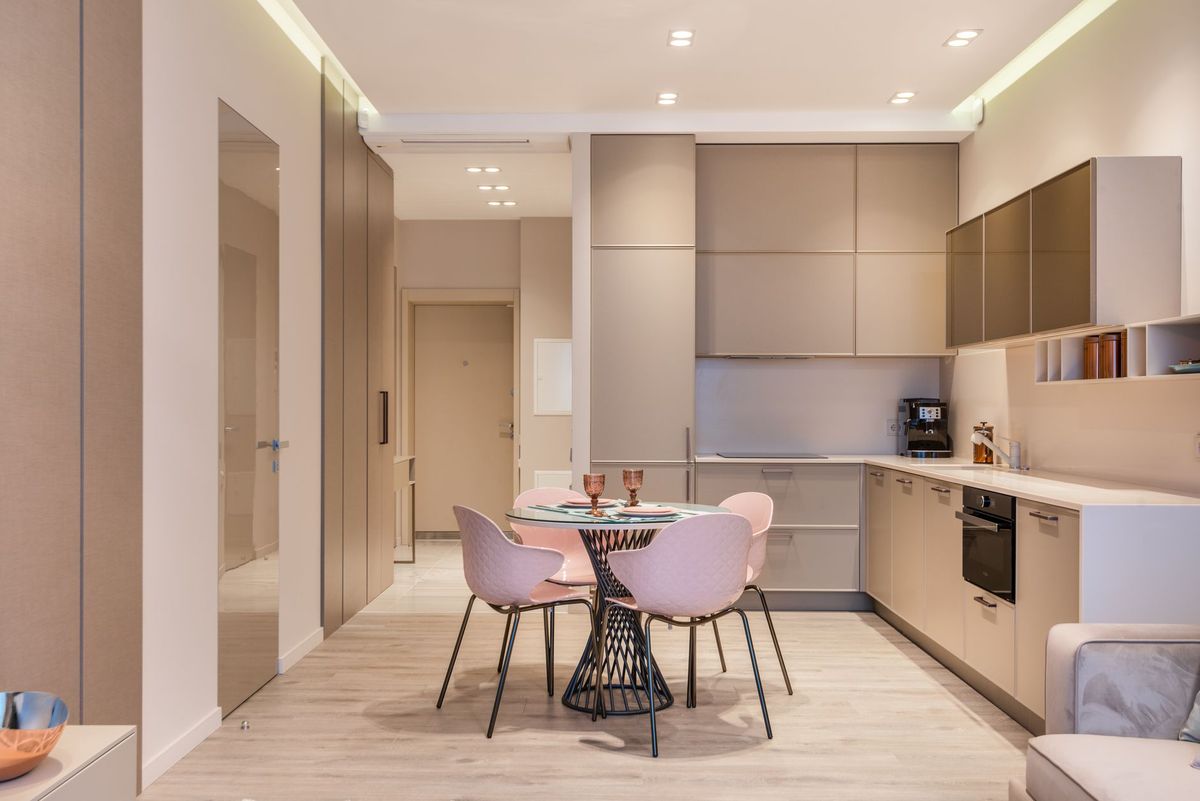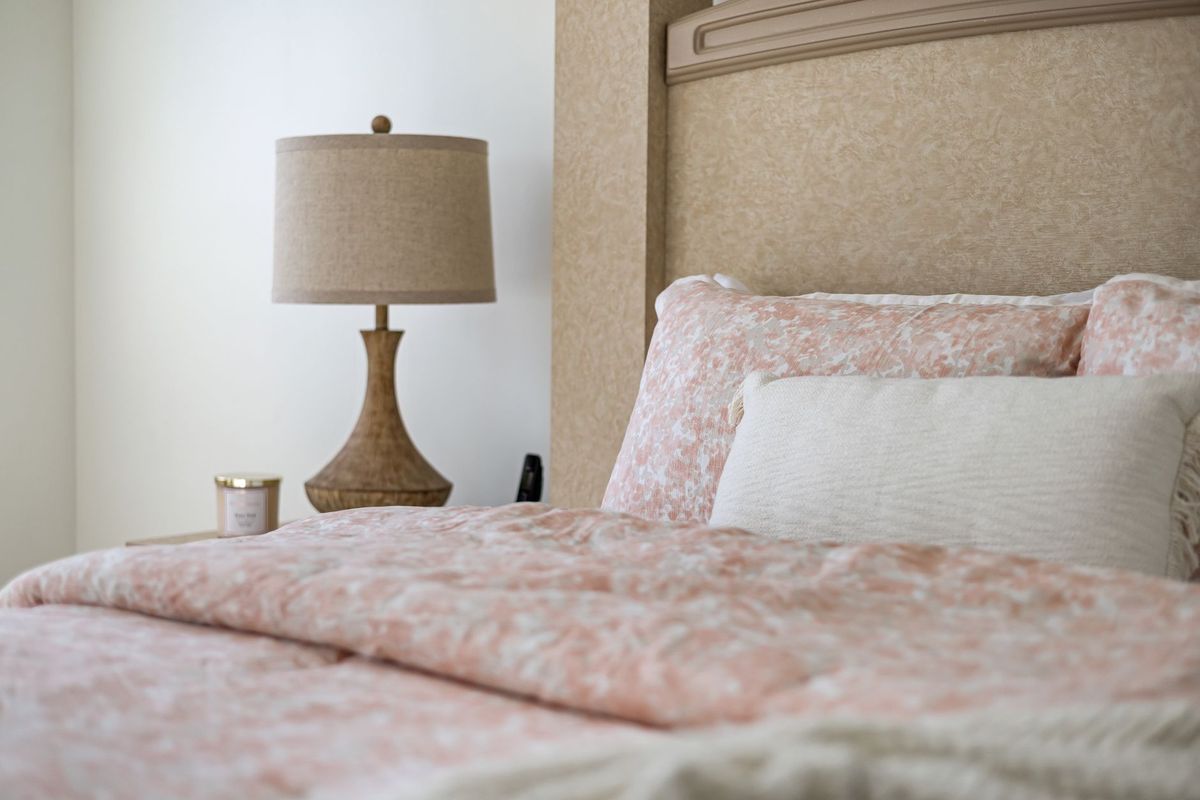
Cosy Decor for Quiet Evenings: Layering Textures to Soften Echo
Clap your hands in an empty room and you will hear it come back at you — a sharp, hollow knock. Do the same once the room has a rug, curtains and a sofa piled with cushions, and the sound drops away. Nothing structural has changed. The room has simply stopped reflecting quite so much of what happens inside it.
A quiet evening at home is partly a matter of sound. Layering soft furnishings is one of the few decorating jobs that pays you back twice: the room looks warmer and it sounds calmer. You do not need to redecorate. You need a rug, a decent pair of curtains and the willingness to add one more texture than feels strictly necessary.
Why Soft Things Quiet a Room
Hard surfaces — plaster, glass, floorboards, tiles — bounce sound back into the room. Soft, porous ones absorb part of that energy as it passes through. This mostly affects the middle and higher frequencies: the edge on a conversation, the clatter of plates, the ring of a phone. That is why an empty flat can sound harsh even when nobody is making much noise.
Be realistic about what furnishings can do. They will not soundproof a room or silence traffic, and they will not stop bass from a neighbour's sound system. What they will do is shorten the echo, so the room feels settled rather than ringing. Anything beyond that is a job for an acoustic specialist.
Start with the Floor
Floors are usually the largest uninterrupted hard surface in a room, so this is where to begin. One generous rug with a felt or rubber underlay will do more than several small ones scattered about.
Size matters more than pattern. In a living room, look for a rug that reaches at least the front legs of the seating. A postage stamp in the middle of bare boards leaves most of the echo in place.
If you want softness without giving up a hard floor, layer: a flat jute or sisal base with a wool rug on top where you actually sit. Add felt pads under chair and table legs, a runner along a hallway, and a washable mat by the kitchen sink. Thick wool, cork and felt all work quietly in the background.
Hang Something Heavy at the Window
Curtains work hardest when they are generous. Choose floor-length, lined or interlined curtains, hung on a track or pole that extends beyond the window so the fabric sits in folds rather than being stretched flat against the glass.
Width is the part most people underestimate. A pair should total roughly one and a half to two times the width of the window. Anything less hangs like a sheet and absorbs very little.
If full curtains are not practical, a lined Roman blind with a fabric face or a valance will take the edge off. Sheer voiles add softness and privacy but do little for echo on their own. Keep trickle vents clear as well — a room that cannot breathe causes damp problems that cost far more to sort out than a curtain does.
Throws and Cushions: The Layers You Touch
A throw is the fastest way to change how a room feels, and it takes up no floor space. Keep two or three in circulation: chunky wool for winter, brushed cotton for the shoulder months, light waffle cotton for summer.
One styling trick that always works: fold the throw lengthways so it reads as a wide band, then drape it over one arm of the sofa or the back of a chair. One good throw beats four crumpled ones. A sheepskin or faux version over a reading chair adds texture exactly where you sit.
Cushions are the cheapest texture you can add and the most tempting to overdo. On a three-seater, five to seven is plenty: two large squares around 50cm, two or three smaller ones around 45cm, and a long bolster or lumbar cushion. Vary the fabric rather than the colour — bouclé, velvet, washed linen, wool — and keep the palette to two or three tones so it looks considered rather than crowded.
The seating itself matters more than anything stacked on it. A fabric sofa absorbs more than a leather one, and an upholstered armchair or footstool fills a corner that would otherwise reflect sound. Keep textiles away from heaters, wood burners and candles, and follow the care label; a wool throw that has felted in a hot wash is no longer a throw.
Soften the Surfaces You Forget About
Once the floor, windows and seating are done, walk the room and look for bare, hard, flat surfaces. Each one is a small mirror for sound.
- Swap glass-fronted frames for canvas, fabric or unframed prints.
- Hang a textile — a quilt, a woven panel, a tapestry — on the largest blank wall.
- Choose fabric or pleated lampshades over metal or glass ones.
- Fill open shelving with books; a full bookcase absorbs well and looks good doing it.
- Add a table runner, felt placemats or a fabric tablecloth in the dining room.
- Fit a draught excluder at a rattling door and a fabric-covered pinboard in a study or hallway.
None of this is dramatic on its own. Together, it is the difference between a room that rings and a room that hums.
A Simple Order to Work In
If you would rather not buy everything at once, work through in this order and stop when the room sounds right.
- Rug and underlay, sized to the seating.
- Lined, floor-length curtains.
- One throw and a set of cushions on the main seat.
- Something soft on the biggest bare wall.
- Small fixes: lampshades, runners, door excluder.
- Live with it for a week before adding more.
That last step matters. Echo is easy to over-correct, and a room layered too quickly starts to feel muffled and fussy.
Texture, Colour and a Softer Light
Quiet rooms tend to be low in contrast. Matte surfaces — wool, linen, unglazed ceramic, chalky paint — read as softer than gloss, glass and chrome, almost before you notice the sound.
Aim for three or four textures and repeat them: wool on the rug and the throw, linen on the curtains and cushions, one warmer texture such as sheepskin or bouclé for contrast. Warm neutrals, soft greys, muted greens and clay tones keep the effect restful. Strong pattern is fine, but it works better when it appears once.
Lighting finishes the job. Two or three lamps on dimmers will make an evening feel calmer than one bright ceiling light, and the soft shadows blur the joins between all those layers.
Start with One Layer Tonight
Pick the room you sit in after dark and do one thing. Move the rug so it sits under the sofa. Rehang the curtains wider. Drape a wool throw over the arm of your chair, then say something out loud and listen to how the room answers. Add the second layer next week. Quiet is built up piece by piece, and most of it comes from things you already own.
Photo: Curtis Adams / Pexels